Tips, guides, and industry insights from our expert technicians
How Long Does Mobile Auto Glass Replacement Take?
By PG Auto Glass Team
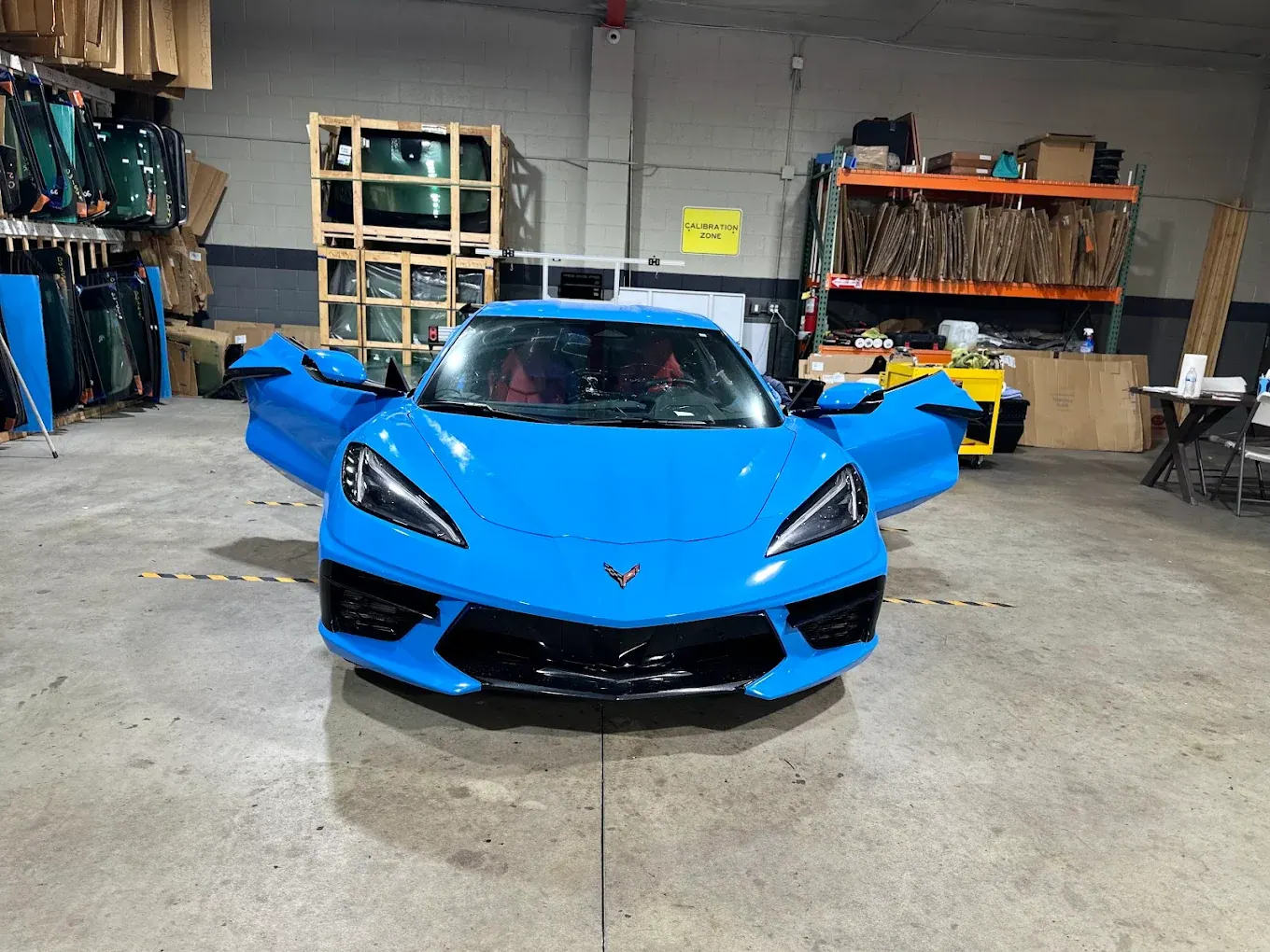
A mobile windshield replacement appointment is often planned in stages: confirming the correct glass, preparing the vehicle, removing the damaged windshield, installing the replacement, checking the work, and allowing the adhesive to reach its required cure condition. Total time varies by vehicle, parts, weather, damage, and possible ADAS work.
What affects appointment length
- Vehicle year, make, model, trim, and windshield features
- Glass availability and whether special molding or clips are needed
- Existing damage around the opening or removal complications
- Rain, extreme heat, wind, or an unsuitable parking location
- Camera, rain sensor, antenna, or other equipment near the glass
- Calibration or diagnostic steps required by the vehicle
An uncomplicated vehicle may take less time than a vehicle with cameras, sensors, complex trim, or unavailable parts. A quote or appointment window is not a guarantee of a specific finish time.
How to reduce avoidable delays
Provide the VIN, service city, vehicle details, photos when requested, and a description of the damage. Make sure the vehicle is accessible, has enough room around the windshield, and is parked on a reasonably level surface. Remove personal items from the dashboard and front seats.
Ask before the appointment whether the glass includes the needed bracket, molding, tint, antenna, or sensor provisions. Confirm whether calibration is part of the plan or must be handled separately.
Cure time matters
The adhesive needs time to reach its required strength. The technician should explain the safe drive-away time for the specific adhesive, temperature, humidity, and installation conditions. Follow those instructions even if the glass looks finished.
Do not slam doors, remove protective materials, or use a car wash before the installer says it is safe. If you notice wind noise, water intrusion, loose trim, distortion, or a persistent driver-assistance warning, contact the installer promptly.
A simple appointment timeline
The first part is usually confirmation and inspection. The middle includes protection, removal, surface preparation, and placement of the new glass. The final part includes trim checks and instructions for curing or calibration. Parts delays or unexpected damage can change that sequence, so leave a reasonable buffer rather than scheduling an immediate commitment.
If the vehicle is used for commuting, ask when it can be driven and whether a warning message changes the plan. Keep the service location accessible until final checks are complete.
Communicating timing clearly
Tell the provider about a same-day deadline, travel plans, or a vehicle that must be returned to work. That does not change the technical steps, but it helps avoid scheduling assumptions. Ask when the appointment window begins, what could delay it, and whether calibration is included or separate.
For a Los Angeles mobile appointment, shade, wind, dust, and access can matter even when rain is not forecast. Explain the location accurately so the provider can decide whether the work area is suitable before travel.
Can mobile replacement be completed in bad weather?
It depends on the vehicle, shelter, products, and conditions. Ask when scheduling; do not assume an exposed driveway is suitable.
Does ADAS calibration make the appointment longer?
It can. Requirements vary by vehicle and may involve static targets, a road procedure, scanning, or a separate appointment.
What is the best way to get a realistic time estimate?
Provide the VIN and complete vehicle and damage details, then ask what steps are included. The final duration can change after inspection.
More Articles You Might Like
What to Have Ready When Calling for an Auto Glass Quote
The right vehicle and damage details help an auto glass team provide a faster, more accurate quote.
Customer GuideWhat Happens During a Mobile Windshield Appointment?
Here is what customers can expect before, during, and after a mobile windshield replacement.