Tips, guides, and industry insights from our expert technicians
OEM Glass, Aftermarket Glass, and ADAS Compatibility
By PG Auto Glass Team
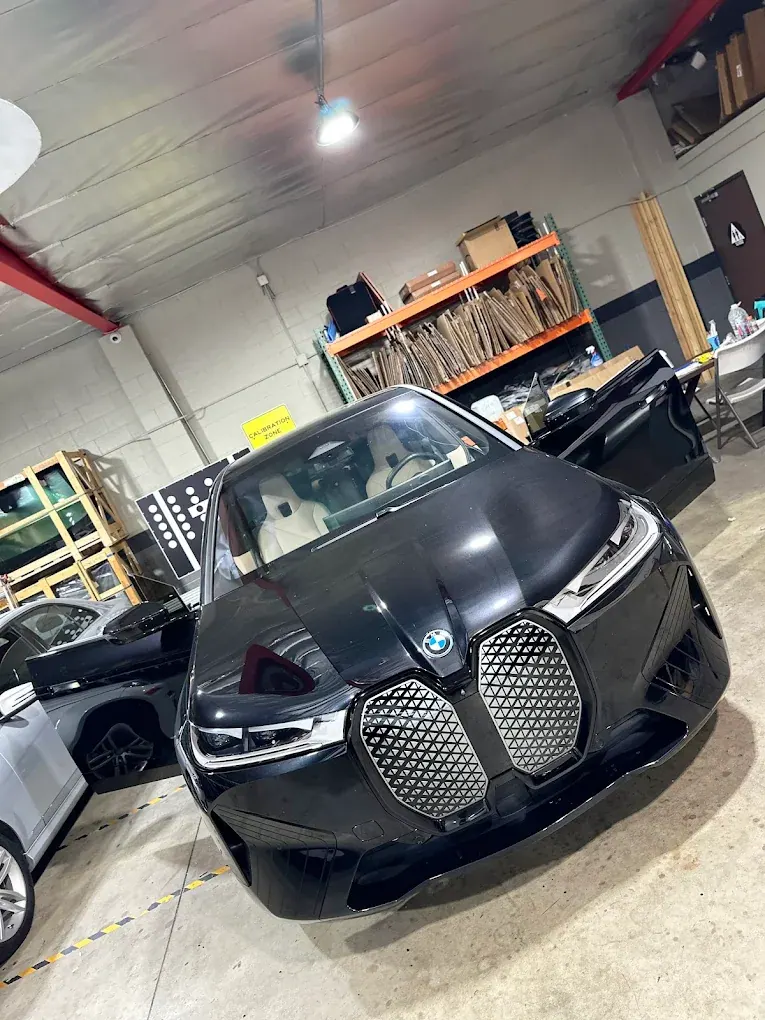
OEM and aftermarket windshields can both be viable options, but the decision is about more than a label or price. The replacement must fit the vehicle, provide the required tint and mounting features, and preserve the optical area used by cameras or sensors. Confirm compatibility for the exact vehicle before approving glass.
What OEM and aftermarket mean
OEM glass is made for the vehicle manufacturer's specification and may carry the manufacturer's branding. Aftermarket glass is produced by another manufacturer and may be designed to meet the vehicle's required dimensions and features. Quality and compatibility depend on the specific part, not only the category.
Compare the actual features being quoted:
- Vehicle year, make, model, trim, and VIN fit
- Tint, shade band, acoustic treatment, and heating features
- Mirror mount, molding, clips, antennas, and rain sensors
- Camera brackets and the correct optical area
- Availability of calibration or post-installation checks
Why ADAS compatibility matters
Windshield-mounted cameras can support lane-centering, forward-collision warnings, adaptive cruise control, or automatic emergency braking. The glass around the camera may need a particular shape, clarity, bracket position, or marking. A visually similar windshield is not automatically the correct part.
Ask whether the vehicle manufacturer requires static calibration, dynamic calibration, both, or another procedure after replacement. The answer depends on the vehicle and system. Provide the VIN and mention any warning messages or camera features before the appointment.
Comparing a quote responsibly
Ask for an itemized explanation of glass, molding, installation, calibration, and any required trim or sensor work. Do not compare two quotes that describe different parts as if they were identical. If insurance is involved, coverage and provider rules vary by policy; confirm current details with the insurer.
For Los Angeles drivers, also discuss where the work will occur. A mobile appointment may be suitable for the glass installation, while some vehicles or conditions may call for controlled shop equipment or a separate calibration step.
A practical comparison checklist
When comparing options, write down the quoted part number and features rather than relying on “OEM” or “aftermarket” as shorthand. Ask whether the camera bracket and molding are included, and which party will explain calibration requirements. A lower initial number may not represent the same scope of work.
Keep the vehicle manual available and tell the installer about recent windshield work or driver-assistance warnings. If the vehicle has a head-up display or specialized acoustic glass, mention it before the appointment because those features are not interchangeable across every trim.
Questions worth asking
Ask who identified the compatible part, how camera alignment will be checked, and what happens if a warning remains. If a quote changes, request the reason in writing. The vehicle manufacturer manual and current service information are more reliable than a generic internet claim about whether a part is compatible.
A part that fits physically can still differ in optical quality or feature placement. Confirm the exact vehicle application and keep the final part description with the vehicle records in case a warning or fit concern appears later.
Is aftermarket glass always lower quality?
No. Aftermarket is a broad category. The correct part, manufacturer, features, fit, and optical compatibility should be verified for the vehicle.
Is OEM glass always required?
Not necessarily. Requirements depend on the vehicle, features, manufacturer guidance, and the customer's needs. Ask what alternatives are compatible and what changes in the quote.
How do I know if calibration is needed?
Provide the VIN and ask the installer or vehicle manufacturer to confirm the required procedure. Do not rely only on the presence or absence of a camera warning.
Need auto glass service?
Book Your Appointment →More Articles You Might Like
What Causes Windshield Stress Cracks Without an Impact?
A windshield crack can sometimes appear without a visible rock chip. Learn how temperature, installation, and body stress may contribute.
EducationOEM vs. Aftermarket Windshields: What's the Difference?
Not all windshields are created equal. Discover the differences between OEM and aftermarket glass and which option is right for your vehicle.